
Conversations that go beyond plain text.
Text is quick, but it can't carry a tone of voice or show a product. Voice calls, video and rich media messages fill that gap. Here is when each one is worth using.
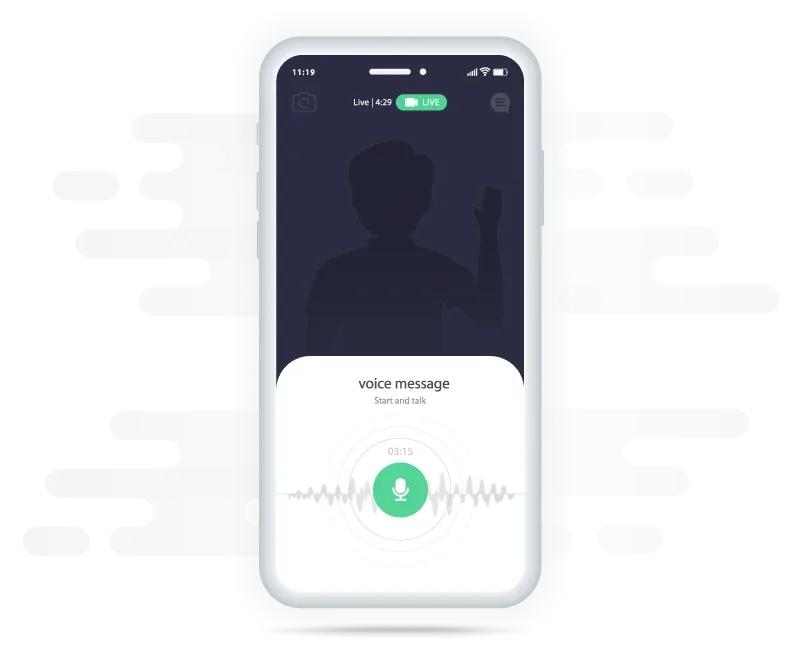
Each format does a different job.
| Format | Best used for |
|---|---|
| SMS | Short alerts, OTPs and reminders that must reach any phone. |
| Voice | Urgent or sensitive matters where tone and reassurance count. |
| Video | Demonstrations, walkthroughs and high-value sales conversations. |
| Rich media messages | Product images, brochures and visual updates sent inside a chat. |
For plain text at scale, see our A2P SMS platform and messaging API.
A real voice builds trust faster.
A phone call lets your team sort out a problem on the spot, and the customer hears that someone cares. Voice also reaches people who don't read messages easily.
- Personalised calls for high-priority customers.
- Automated voice alerts with menu options for routine updates.
- Quick resolution of urgent or complicated issues.

Show it instead of describing it.
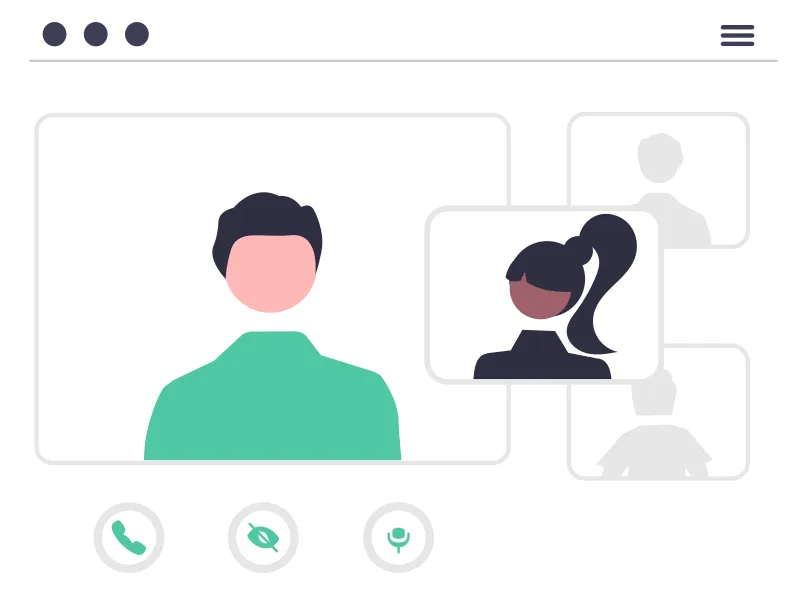
Seeing a product in use is more convincing than reading about it. Video also helps support teams guide a customer through a fix, step by step.
- Product demonstrations for customers who are close to buying.
- Guided troubleshooting that shows the right button to press.
- A friendlier face for onboarding and training.
Images, files and richer replies.
Rich messages can carry pictures, documents and buttons. A parcel photo, an invoice PDF or a menu of choices often answers a question faster than a paragraph does.
Rules for any channel.
Get opt-in
Contact people who agreed to hear from you, and make it easy to stop.
Right time, right channel
Use text for a quick note, voice for an urgent one, media for explanation.
Check live results
Watch delivery and response data and adjust while a campaign runs.
Common questions.
When should I use voice instead of SMS?
Use voice for urgent, sensitive or complicated matters where tone matters. SMS suits short alerts and reminders.
What is a multimedia message?
It is a message that carries more than text, such as an image, a document or tappable reply options, sent through a channel that supports rich content.
Do I need customer consent?
Yes. Contact customers who have opted in, and give them a simple way to stop messages.
Can I mix several channels?
Yes. Many businesses send an SMS alert and follow up by voice or rich message when more detail is needed.
Keep reading
Not sure which channel fits?
Describe the message and the audience. We'll suggest the right format.