
A messaging API that lets your software talk to customers.
Connect your application once and send promotional, transactional and service messages from your own code. Delivery feedback comes back to your system, and our engineers help you through the set-up.
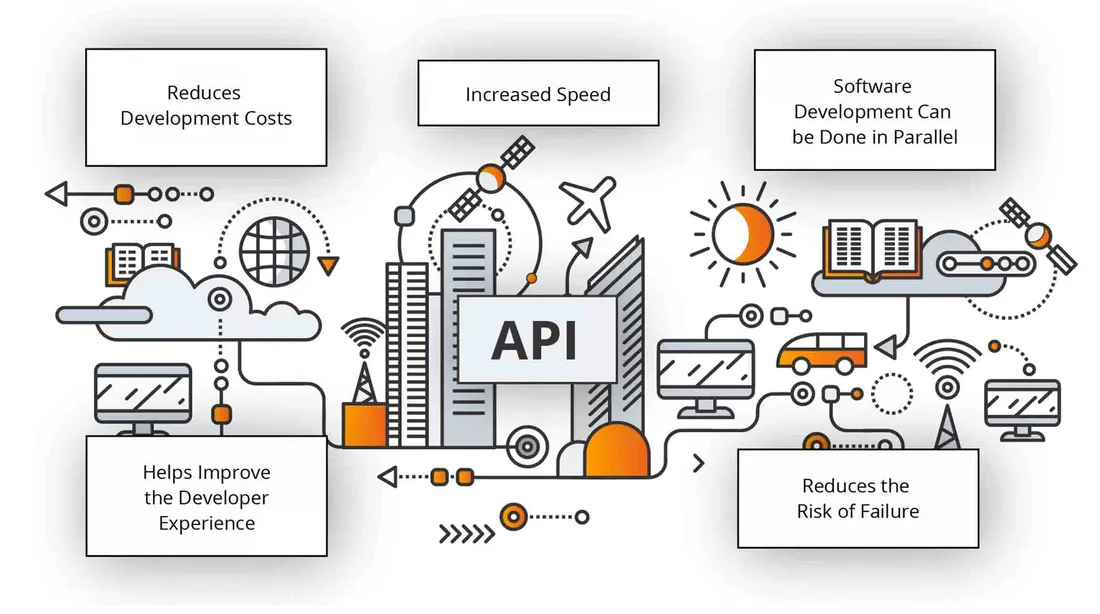
What a programmable API actually is.
An API is a doorway between two programs. A programmable messaging API is the doorway between your software and our messaging platform. Your system asks for something, the platform does it, and the answer comes back.
In practice, your app might say "send this order update to this customer". We route it, deliver it and report the outcome. Nobody on your team presses a button.
It sits inside our CPaaS platform, so the same connection can serve more than one channel.
Five steps from first call to live traffic.
The exact technical details depend on your account and channels, and we share them when you get in touch.
Tell us your use case
OTPs, order updates, offers or alerts. We match it to the right channel and set-up.
Get access
Your account is created and our team shares the integration details for it.
Connect your application
Your developers wire the API into the events that should trigger a message.
Test, then go live
Try a few messages first. Our engineers help if something doesn't behave.
Read the feedback
Delivery status returns to your system, so you can follow each message and tune the next.
Three kinds of messages through one connection.
Promotional
Send offers matched to what each user likes. Add images where the channel allows it, and finish with a clear call to action.
Transactional
Real-time updates on orders and payments. Sensitive details can be sent in a protected way, and users can interact with the message.
Service
Automated notices, surveys and feedback requests. Customers can reply when the channel supports it.
What changes when messaging is part of your software.
- Less manual work. Messaging workflows run on their own, even at high volume.
- Targeted content. Messages follow user data and preferences.
- Two-way contact. Users can respond, give feedback or take an action.
- Data for decisions. Interaction data shows what to keep and what to change.
- Wider reach. Messaging works on ordinary phones, so a broad audience is within reach.

Requirements for a good messaging API.
Whichever provider you choose, check these points before you commit.
Security
Encryption, authentication and secure endpoints protect customer data.
Low delay
Messages such as OTPs need quick transfer without bottlenecks.
Room to scale
Traffic can grow without redesigning your integration.
Adaptability
It can work with new technologies and channels as your needs change.
A2P and P2P messaging, side by side.
| A2P (application to person) | P2P (person to person) | |
|---|---|---|
| Sender | A business application or system | An individual |
| Recipient | A person's mobile phone | Another individual |
| Purpose | Notices, codes, offers, reminders | Personal conversation |
| Content | Structured, often with a call to action | Informal and varied |
| Sender identity | A business or organisation | A personal number or username |
Our API is built for the A2P column. For a deeper look at SMS, see A2P SMS.
Questions about the API.
What is a programmable API?
It is a set of instructions your software uses to talk to our messaging platform. Your application sends a request, for example to deliver a message, and the platform carries it out and reports back.
What is the difference between A2P and P2P messaging?
P2P messages go between two people. A2P messages are sent by a business application to a person, such as an OTP, a delivery update or an offer.
What can I send through the API?
Promotional, transactional and service messages. That includes offers, order confirmations, appointment notices and outage alerts.
Can customers reply to API messages?
Many A2P messages are one-way, but two-way interaction is possible on channels that support it, so customers can reply or give feedback.
Where do I find the technical documentation?
Contact our team. We share the integration details that match your account and channels, and our engineers help during set-up.
Related pages
Ready to connect your application?
Tell us what you want to send and from which system. We'll share the integration details and help you test.