
Measure your conversations, then improve them.
Every message you send produces data: who got it, who replied, who bought. This guide covers the metrics worth tracking and the habits that turn them into better campaigns.
What to measure and why.
Delivery
Did the message reach the customer?
Response
Did they reply, click or ask a question?
Conversion
Did they take the action you wanted?
Satisfaction
What did they say about the experience?
The numbers behind a conversation.
Start with a short list. Too many metrics bury the few that matter. Pick the ones tied to your goal for each campaign.
- Delivery and read data. Shows reach and whether your sender and timing work.
- Response rate and time. Shows interest and how fast your team replies.
- Conversion. Links the conversation to a sale, sign-up or booking.
- Customer feedback. Surveys and comments explain the numbers.
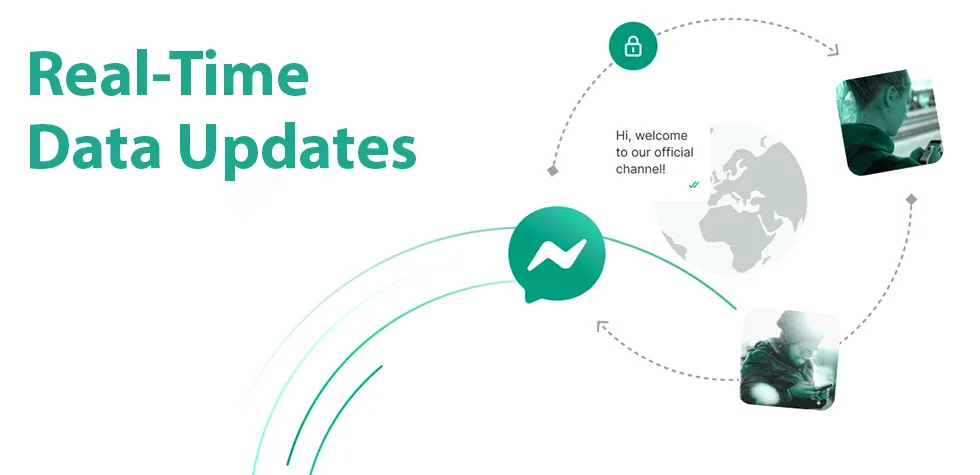
Map the path customers actually take.
Customers rarely move in a straight line. They ask a question, go quiet, then come back through another channel. Plotting those steps shows where they stall and where one extra message could help.
- Identify the points where conversations end.
- See which channel gets the reply.
- Time follow-ups to when people are most likely to respond.
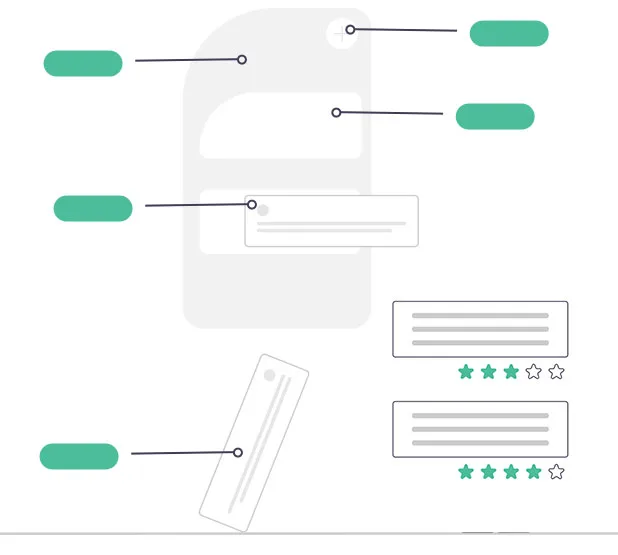
Improve one thing at a time.
A/B testing means sending two versions of a message to similar groups and comparing results. Change one element, such as the opening line, the send time or the call to action, and keep the rest identical so you know what made the difference.
Choose a goal
One metric: reply rate, clicks or orders.
Change one thing
Subject, wording, timing or offer.
Split the audience
Send each version to a similar, random group.
Roll out the winner
Use the better version and test the next idea.
Make measurement routine.
Review on a schedule
A short weekly look at the same few numbers beats an occasional deep dive.
Watch response time
Slow replies lose customers. Track how fast your team and bots answer.
Close the loop
Share findings with sales, support and marketing so the changes happen.
Common questions.
Which metrics should I start with?
Delivery, response, conversion and customer feedback. Add more only when you have a question they can't answer.
What is A/B testing in messaging?
You send two versions of a message to similar groups and compare results. Change only one element, so you can tell what caused the difference.
What is customer journey mapping?
It is a map of the steps a customer takes from first contact to purchase and beyond. It shows where people stall and where a message could help.
Does VNS provide the reports?
Our messaging platforms include delivery and campaign reports. Ask us which reports apply to the channels you plan to use.
Keep reading
Want clearer campaign reporting?
Tell us which channels you use. We'll show what you can measure.